Yagya Stage & Altar Setup Guide
Key Stage Preparation Guidelines:
-
Altar Table / Low Chowki — Approx. 3 × 2 feet sturdy low table or floor chowki (~1.5 to 2 ft high) covered with a clean white, saffron, or yellow cotton cloth. (Please avoid high dining tables so participants seated on floor mats can comfortably participate).
-
Divine Portraits & Deities — Gayatri Pariwar brings: Sacred portraits of Pujya Gurudev Pt. Shriram Sharma Acharya & Vandaniya Mataji. Host family prepares: Small Lord Ganesha murti/picture or any Bhagwan photo of your choice for dev pujan.
-
Hawan Kund & Floor Protection — Hawan Kund is brought by AWGP Parijans. Host spreads aluminum foil or heat-resistant mat beneath the kund to safeguard wooden or carpet flooring.
-
2-Thali Puja Preparation — Organize all puja & hawan materials into 2 Plates/Thalis (Thali 1: Dev Pujan & Hawan items; Thali 2: Aarti & Bhog items) so everything is ready as soon as volunteers arrive.
-
Seating Arrangement — Clean floor mats (Aasan) facing East or North for host family members & participants.
-
Ventilation & Airflow — Open adjacent windows slightly or turn on kitchen exhaust fan to maintain fresh airflow.
-
Water & Napkins Nearby — Keep a pitcher of fresh drinking water and paper towels/napkins accessible near the altar.
-
Audio / Mic (For Large Venues) — Cordless mic setup if hosting in a clubhouse, community center, temple hall, or park gazebo.
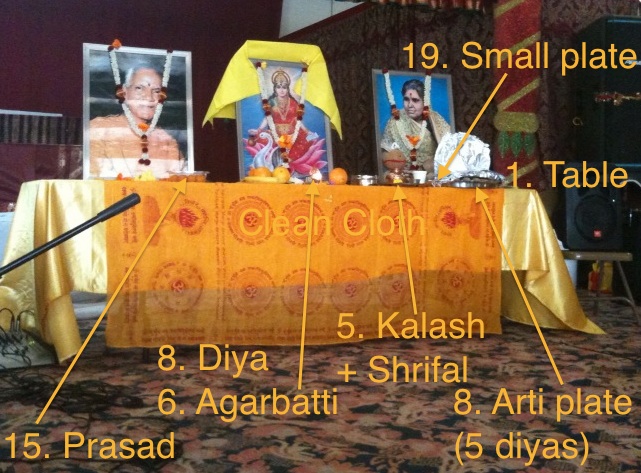
Standard Altar Table & Yagya Kund Layout
Gayatri Yagya Item Checklist
• Pujya Gurudev & Vandaniya Mataji holy portraits & banners
• Sacred Vedic mantras, ceremony conduction & spiritual guidance
• Low Table / Chowki (~3x2 ft, 1.5–2 ft height) with clean cloth
• Puja items arranged into 2 Thalis (Dev Pujan & Aarti)
Host Quick Setup: 2-Thali Organization Method
Keep 2 Plates Ready Before Arrival- Roli/Kumkum & Chandan powder for tilak
- Akshat (Rice) — unbroken raw rice
- Fresh Flowers & flower petals
- 1 Betel Nut (Supari) for Ganesha puja
- Kalawa (Nada Chhadi / Mauli) — sacred thread
- 1 Clove (Laung) & 1 Cardamom (Elaichi) for Purnahuti
- Camphor (Kapoor) for lighting fire & aarti
- Small Water Bowl & Spoon for achaman
- Matchbox / Lighter
- 1 Aarti Diya with pure Ghee & cotton wick (1 diya is completely sufficient; 5 diyas not required)
- Incense Sticks (Agarbatti) with holder/stand
- Matchbox / Lighter
- Divine Prasad: Kheer, bananas, apples, or sweets / dry fruits
- Prayer Bell (Ghanti) (optional)
Complete Gayatri Hawan Shopping Checklist:
-
Low Altar Table / Chowki (~3x2 ft) — Low coffee table or floor chowki (~1.5–2 ft height) with clean white, saffron, or yellow cotton cloth.
-
Lord Ganesha Idol / Picture — Small Ganesha murti/picture or any Bhagwan photo. (Gurudev & Mataji portraits brought by AWGP).
-
Kalash (Copper/Brass Pot) — Pot filled with clean drinking water for Devasthapan.
-
5 Fresh Green Leaves — 5 Mango leaves, Betel (Paan) leaves, or Ashoka leaves for Kalash sthapana.
-
1 whole brown coconut with water (husked) — Clean dry coconut with shell (without husk) for Kalash. (Only 1 whole coconut needed; no 2nd whole dry coconut needed).
-
Dry Coconut Chips (Nariyal Tukde) — Clean sliced dry coconut chips for hawan fire oblations.
-
Dry Mango Wood / Samidha Sticks — Clean dried mango wood sticks / cow dung pieces for sacred hawan fire.
-
Camphor (Kapoor) — Pure camphor tablets for igniting holy fire and concluding aarti.
-
Pure Ghee (Clarified Butter) — 16 oz pure unused ghee for hawan offerings.
-
Steel Spoon & Bowl for Ghee — For pouring holy ghee oblations into Yagya Kund.
-
Havan Samagri (Herbal Mixture) — Pure herbal samagri blend with 2–4 small bowls for participants.
-
1 Clove (Laung) & 1 Cardamom (Elaichi) — Sacred spices for Purnahuti (final offering).
-
1 Betel Nut (Supari) — For Ganesha/Sarva-deva pujan & Purnahuti.
-
Roli / Kumkum & Chandan Powder — For dev pujan and auspicious forehead tilak.
-
Unbroken Raw Rice (Akshat) — 1 cup clean unbroken rice for invocation.
-
Fresh Flowers & Flower Petals — For altar decoration & sacred Pushpanjali offerings.
-
Kalawa (Nada Chhadi / Mauli) — Red & yellow sacred wrist thread.
-
Light Lamps (Deepak) — 1 main lamp for altar + 1 Diya for Aarti with cotton wicks/batties. (1 Diya is completely sufficient for Aarti).
-
Incense Sticks (Agarbatti) — 1 pack with holder/stand.
-
Fresh Kheer & Sweet Prasad — Sweet rice pudding for hawan oblation & prasad, plus seasonal fruits (banana, apple, sweets).
-
Water Bowls with Spoons (2) — For achaman and sacred cleansing water.
-
Aluminum Foil — For floor and carpet protection under Yagya Kund.
-
Paper Towels / Napkins & Floor Aasans — Floor sitting mats for family and napkins for clean hands.
-
Matchstick / Lighter — For lighting deepaks, incense, and camphor.
-
Hawan Kund — (Sacred portable Hawan Kund is brought by AWGP Gayatri Pariwar volunteers).
Standard Home Yagya Altar & Hawan Kund Setup
Friendly Reminders for Host:
- Keep a low table (~1.5 to 2 ft high) ready with cotton cloth.
- Pre-arrange Thali 1 (Puja items) and Thali 2 (Aarti items).
- Only 1 coconut needed for Kalash; rest is coconut chips.
- Hawan Kund will be brought by the AWGP team.
Deep Yagya (Lamp Yagya) Item Checklist
-
Table around 3x2 feet — with clean cotton cloth for lamp altar
-
Fresh Flowers — for altar decoration and offerings
-
Water for Kalash and one Bowl (2) — fresh drinking water
-
Kumkum / Sandalwood powder — for tilak
-
Kalash and (Shrifal) Fresh coconut — for divine invocation
-
Incense sticks (Agarbatti) — 1 pack with holder
-
Pure Ghee — 16 oz for lighting 24+ deepaks
-
Light Lamps (Deepak) — 1 main lamp, 1 for aarti, and 24 cotton batties for collective deepaks
-
Aluminum foil — for covering the table surface beneath the 24 lamps for safety
-
Kalawa (Colored sacred thread) — for wrist tying
-
Prasad & Fresh Fruits — sweets, dry fruits, seasonal fruits
-
Paper Towels, Steel spoon and bowl for Ghee
-
Plate for puja items, Small Plate for Sarva-deva puja
-
Grain Rice (Akshat), Matchstick / Lighter
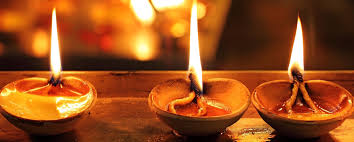
Gayatri 24-Lamp Deep Yagya Mandala
Special Advantage:
Deep Yagya produces no smoke, making it 100% safe for homes with sensitive smoke detectors, retirement homes, and indoor event venues.
Punsvan Sanskar (Pre-Natal Blessing) Item Checklist
-
Fresh Kheer (Rice Pudding) — 1 bowl of freshly prepared sweet rice pudding for sacred oblation (Aahuti) & mother's blessing
-
Small Spoon & Bowl — for offering Charu / Kheer to expecting mother
-
Fresh Fruits & Sweets — bananas, apples, pomegranate, and dry fruits for prasad
-
Flower Garlands (2) & Loose Flowers — fresh marigold/rose flowers for altar & mother's welcoming
-
Kalash & Shrifal (Dry Coconut) — with water, 5 mango leaves, and unbroken rice
-
Kumkum, Sandalwood Paste, & Akshat — for tilak and auspicious dev pujan
-
Deepak (Ghee Diya) & Incense (Agarbatti) — 1 main lamp with pure ghee and cotton wicks
-
Standard Yagya Kund (usually we bring it along) & Samagri — if performed with Gayatri Hawan (mango wood, ghee, herbal samagri)
Purpose of Punsvan:
Punsvan Sanskar instills positive divine samskaras (thoughts & mental strength) in the unborn child while showering divine energy and health upon the expecting mother.
Namkaran Sanskar (Naming Ceremony) Item Checklist
-
Silver / Bronze Thali & Silver Spoon — for holding honey/ghee honey licking (Jatkarma/Namkaran)
-
Pure Organic Honey (Madhu) & Ghee — 1 small spoon each for symbolic tongue touch blessing
-
Unbroken White Rice (Akshat) — 1 plate of clean raw rice to write newborn's chosen name
-
New Soft Cloth / Blanket for Baby — fresh white, yellow, or pink cotton cloth
-
Kalash with Water & Shrifal (Coconut) — 5 mango leaves, betel nut, & coin
-
Kumkum, Chandan, & Kalawa — red mauli thread for baby and parents' wrists
-
Fresh Flower Petals — marigold & rose petals for showering blessings (Pushpa-Vrishti)
-
Sweet Prasad (Kheer or Ladoo) — for distribution among family and guests
-
Light Lamp (Ghee Diya) & Incense — for Mangal Aarti
-
Gayatri Hawan Materials — if combined with Yagya (kund, wood, samagri, ghee)
Symbolic Writing:
During the ritual, the father or mother gently writes the chosen sacred name upon a plate of raw rice using a gold ring or index finger while whispering the name into the child's right ear.
Annaprashan Sanskar (First Solid Food Sacrament) Item Checklist
-
Silver Bowl & Silver Spoon — for feeding the first sacred grain to the baby
-
Fresh Kheer (Rice Pudding) — smooth, semi-solid sweet rice boiled in pure milk, cardamom, & tulsi leaf
-
Clean Tulsi Leaf — used to touch & feed the first drop of Kheer to the infant
-
Flat Tray for Aptitude Test — large tray to place symbolic life items for baby to pick
-
New Clothing for Baby — traditional clean attire (Kurta/Pajama or Frock)
-
Kalash, Shrifal (Coconut), & Mango Leaves — for altar invocation
-
Kumkum, Chandan, Kalawa, & Akshat — for tilak and blessings
-
Ghee Diya, Incense, & Hawan Items — for accompanying Gayatri Yagya
Symbolic Career Test:
The tray items symbolize future inclinations: Book (Wisdom), Pen (Scholarship), Currency (Wealth), Tool (Creation), and Soil (Property/Real Estate).
Mundan Sanskar (Tonsure Ceremony) Item Checklist
-
गाय का दूध एवं दही (Cow's milk and curd) — Approximately 50 grams each, used to moisten the child's hair prior to cutting.
-
घी एवं जल (Clarified butter and clean water): — Mixed with the milk and curd for moisturizing.
-
कलावा (Sacred red-yellow thread / Mauli): — Three pieces, approximately 6 inches each.
-
कुश (Kusha grass): — Small pieces of sacred grass tied into the middle of the three pieces of kalawa to bind the three hair tufts (Brahma, Vishnu, and Rudra granthis).
-
कैंची एवं उस्तरा/छुरा (Scissors and clean razor): — Kept specifically for ceremonial purposes, sharpened, washed with hot water/clay, and set in a small tray (tashatari).
-
गुँथा हुआ आटा (Kneaded dough ): — Used to collect and enclose the cut hair into a ball before burying it in the soil or immersing it in a water body.
-
नवीन वस्त्र (New clothes for the child): — A fresh set of clothes to be worn after the bath, with the text specifying that at least one garment should be yellow (एक वस्त्र पीला भी होना चाहिए).
-
रोली एवं चन्दन (Roli / Kumkum and Sandalwood paste): — Used for tool worship (chura pujan), shikha pujan, and drawing the sacred Swastika or Om on the shaved head.
-
अक्षत एवं पुष्प (Unbroken rice grains and fresh flowers): — For worshipping the tools, clothes, and applying to the child's head during blessings.
-
धूप एवं दीप (Incense and diya/lamp): — Required for the tool worship (chura pujan).
-
थाली / तश्तरी (Small plate/tray): — To hold the scissors and razor during worship
-
हवन सामग्री, मेवा एवं मिष्टान्न (Havan samagri, dry fruits, and sweets): — Regular havan mix blended with chopped dry fruits and sweets for the 5 special offerings (vishesh aahuti).
Soothing Scalp Care:
Applying a soothing paste of fresh turmeric (haldi) mixed with sandalwood (chandan) or ghee on the baby's scalp provides natural antiseptic protection and cooling comfort after shaving.
Vidyarambh Sanskar (Learning Initiation) Item Checklist
-
Wooden Slate (Patti) & White Chalk — OR new notebook & pen for child's initial letter writing
-
Maa Saraswati Photo / Idol — placed on clean altar table
-
Unbroken Rice (Akshat) & Yellow Flowers — sacred offerings for Saraswati Pujan
-
White or Yellow Altar Cloth — clean cotton cloth for table setup
-
Child's Books & Stationery — school text books, notebooks, pens, and crayons to place at altar for divine blessings
-
Sweets (Besan Ladoo / Kheer) — yellow sweets for offering to Saraswati and distribution
-
Kumkum, Sandalwood Paste, & Kalawa — for tilak and sacred wrist thread
-
Incense Sticks & Ghee Diya — for Saraswati Vandana & Aarti
-
Gayatri Hawan Materials — yagya kund, samagri, ghee, samidha wood (if Hawan is performed)
Writing 'Om' or 'Gayatri':
The ritual begins with the child guiding a pen or chalk to write the sacred symbol "ॐ" (OM) or "श्री" (Shree) on raw rice or slate under the guidance of parents and priest.
Yagyopaveet Sanskar (Sacred Thread / Upanayan) Item Checklist
-
3-Ply Sacred Threads (Janeu) — 2 sets of pure cotton yellow/white Janeu strands
-
Yellow Cloth / Unstitched Dhoti & Dupatta — traditional sacred attire for initiate (Vatu)
-
Ceremonial Wooden Stick (Danda) — Palash, Bilva, or smooth Bamboo stick for Vatu
-
Kusha Grass Ring (Pavitri) & Kusha Mat — for spiritual purity & sitting
-
Begging Bowl (Bhiksha Patra) & Rice Grains — bowl & raw rice/fruits for symbolic Bhiksha begging ritual
-
Yellow Mustard Seeds (Sarson) & Akshat — for Rakshavidhan protection ritual
-
Sandalwood Paste (Chandan) & Sacred Ash (Bhasma) — for Tripund / Tilak
-
Kalash with Water & Shrifal (Coconut) — 5 mango leaves, betel nut, & coin
-
Pure Ghee (16 oz), Samidha Wood, & Havan Samagri — for Gayatri Yagya oblation
-
Kumkum, Kalawa, & Fresh Flower Garlands — for welcoming and honor
-
Sweets & Fruits Prasad — for distribution after ritual completion
Symbolic Meaning of 3 Threads:
The 3 strands of Janeu represent three fundamental debts (Pitru Rin - ancestors, Rishi Rin - teachers, and Dev Rin - divine nature) and the duty to lead a righteous, disciplined life.
Janmdivas & Vivah Divas (Birthday & Anniversary) Item Checklist
-
1 Large Central Deepak (Pradipa) — brass or clay diya representing Akhand Jyoti (Divine Light of Life)
-
Small Deepaks (Matching Age or Years of Marriage) — e.g., 25 small diyas with ghee & cotton wicks for a 25th birthday/anniversary
-
Flower Garlands (2) — fresh marigold or rose garlands for birthday person or anniversary couple
-
Kalawa (Red/Yellow Sacred Thread) — for tying sacred resolution thread (Sankalp Sutra)
-
Kumkum, Chandan, & Akshat — for auspicious forehead tilak
-
Kalash with Water & Shrifal (Coconut) — decorated with 5 mango leaves
-
Fresh Sweets (Kheer / Ladoo) & Fruits — for offering to divine and sharing with loved ones
-
Aarti Plate & Incense Sticks (Agarbatti) — for final devotional blessing
-
Gayatri Hawan Kit — yagya kund, ghee (16 oz), herbal samagri, camphor, & mango wood
-
Plant Sapling (Vriksha Ganga) — optional AWGP tradition to plant a tree/shrub on birthday/anniversary for environmental seva
Vedic Birthday vs. Candle Blowing:
In Vedic tradition, instead of blowing out candles, we light lamps (Deepak) to symbolize expanding divine light, wisdom, and longevity in life.
Grih Pravesh Sanskar (Housewarming Yagya & Pujan) Item Checklist
-
Main Entrance Toran (Bandhanwar) — fresh Mango leaves & Marigold flower garland to hang at front door
-
Copper/Brass Kalash with Coconut (Shrifal) — filled with clean water, 5 mango leaves, betel nut, & coin for ceremonial entry
-
Milk, Raw Rice, Sugar, & New Vessel — for kitchen stove ceremonial milk boiling ritual (overflowing prosperity)
-
Rangoli Colors / Powder — for decorating main threshold and altar floor
-
5 Ghee Deepaks (Lamps) — for lighting 5 cardinal directions and front door
-
Conch Shell (Sankh) & Prayer Bell (Ghanti) — for divine sound vibration & energy cleansing
-
Yagya Kund with Foil Protection — portable hawan kund and aluminum foil to protect wooden floor/carpet
-
Havan Samagri, Pure Ghee (16 oz), & Samidha Wood — for purifying home atmosphere
-
Kumkum, Haldi, Chandan, Akshat, & Kalawa — for Ganesha & Vaastu Pujan
-
Betel Nuts (Supari - 5) & Dry Coconuts (3) — for Navgrah, Vaastu, & Purnahuti
-
Sweets (Kheer / Ladoo) & Fresh Fruits — for Prasad distribution
-
Altar Table (3x2 ft) with Yellow/Red Cloth — for Vaastu & Ganesha sthapana
Kitchen Milk Boiling Ritual:
Boiling milk in a new pot on the stove until it gently boils over symbolizes abundance, happiness, and eternal prosperity filling every corner of the new home.
Vedic Vivah Sanskar (Sacred Marriage) Item Checklist
-
2 Fresh Flower Garlands (Varmala) — for bride and groom garland exchange
-
Mangalsutra, Sindoor, & Wedding Rings — sacred marital symbols
-
Gathbandhan Dupatta / Shawl — ceremonial cloth for tying nuptial knot
-
Laja (Puffed Rice / Murmura) — 1 bowl for Laja Hom (brother's offering to sacred fire)
-
Kalash, Shrifal (Coconut), & 5 Mango Leaves — for Varun & Mangal Pujan
-
Kumkum, Chandan, Akshat, & Kalawa — for tilak and sankalp
-
Pure Ghee (32 oz) & Havan Samagri — for Vivah Yagya fire
-
Dry Wood (Samidha) & Camphor (Kapoor) — for Yagya fire
-
7 Flat Stones / Betel Nuts — representing 7 steps of Saptapadi
-
Sweets, Prasad, & Fresh Fruits — for family & guest blessings
-
Aarti Lamps & Incense Sticks — for final Mangal Aarti
Saptapadi Vows:
The seven sacred steps around the Yagya fire symbolize mutual respect, nourishment, health, prosperity, happiness, harmony, and lifelong friendship.
Satya Narayan Katha & Pujan Item Checklist
-
Table around 3x2 feet — with clean cloth
-
Fresh Flowers — for Deity Decoration and Archana
-
Water for Kalash and one Bowl (2) — fresh drinking water
-
Kumkum / Sandalwood powder — for Vishnu and Navgrah puja
-
Kalash and (Shrifal) Fresh coconut — with water inside
-
Incense sticks (Agarbatti), Pure Ghee (16 oz)
-
Light Lamps (Deepak) — 1 main lamp, 5 for aarti, 24 for deep yagya completion
-
Aluminum foil, Kalawa (Colored sacred thread)
-
Satya Narayan Special Prasad (Panjiri / Sheera) — roasted wheat flour with sugar/ghee, banana slices, and fresh fruits
-
Paper Towels, Steel spoon and bowl for Ghee
-
Plate for puja items, Small Plate for Sarva-deva puja
-
Grain Rice (Akshat), Matchstick / Lighter
Traditional Panjiri Prasad:
Roasted whole wheat flour (atta) or suji cooked lightly in pure ghee with sugar, chopped tulsi leaves, and sliced banana pieces.
Antyeshti Sanskar (Last Rites Sacrament) Item Checklist
-
Pure White Cotton Cloth (Kafan) — clean unstitched white cloth to cover the body
-
Ganga Jal & Fresh Tulsi Leaves — for placing in mouth for final purification
-
Pure Ghee (Clarified Butter - 32 oz) — for sacred fire offering & agni-sanskar
-
Dry Mango Wood & Camphor (Kapoor) — clean dry wood and pure camphor for igniting
-
Special Hawan Samagri & Chandan Dust — herbal oblation powder, black sesame (Til), and barley (Jau)
-
Earthen Pot (Matka) & Kalawa — clay pot filled with water for ceremonial circumambulation
-
Kusha Grass & Akshat — for Tarpan offering and purification
-
White Flowers & Flower Garland — for paying floral respects to departed soul
Upward Journey (Gati):
The Antyeshti prayers beseech the Divine Father to grant peace, liberation, and a noble rebirth or Moksha to the departed Atman.
Maranottar & Sraddha Tarpan (Post-Funeral Purification) Item Checklist
-
Black Sesame Seeds (Kala Til) & Barley (Jau) — essential ingredients for sacred Tarpan water oblations
-
Kusha Grass Ring (Pavitri) & Kusha Mat — worn on ring finger during ancestral offerings
-
Large Copper or Brass Plate (Parat) — for offering water oblations with both hands
-
Pure Milk, Ganga Jal, & Fresh Water — for preparing Tarpan offering mixture
-
White Flowers & White Sandalwood (Chandan) — for Pitru pujan
-
Kheer & Cooked Food for Pancha-Bali — 5 food portions for Cow, Dog, Crow, Devas, & Ants
-
Pure Ghee (16 oz), Samidha, & Hawan Samagri — for Shanti Hawan
-
Donation / Charity Items (Daan) — food grains, clothes, or educational support in memory of departed soul
Pancha-Bali Seva:
Pancha-Bali symbolizes our interconnectedness with nature, feeding birds, cows, and creatures as an act of cosmic repayment and selfless love.